
ICF vs cavity block vs timber frame in Ireland
Finished to an equivalent A1 or A2 BER turnkey standard in Ireland, ICF (€2,300–€3,100/m²), full-fill cavity block (€2,250–€3,000/m²) and closed-panel timber frame (€2,200–€2,950/m²) land within 2% to 5% of each other, so site schedule, acoustic mass and exposure decide the right fit.
An honest engineering and cost comparison of Ireland's three main residential wall systems under wet Atlantic winters and NZEB Part L rules.
Free, no obligation. One local builder prices it, not five.
- 0.11–0.15 W/m²KICF wall U-value out of the box
- < 0.6 ACH50typical ICF blower-door airtightness
- 2%–5% spreadturnkey A1/A2 cost gap across systems
- 50+ dBconcrete core acoustic attenuation
Side-by-side comparison for Irish one-off builds
ICF (Insulated Concrete)
- Turnkey A1/A2 cost
- €2,300–€3,100/m²
- Shell erection speed
- 2 to 4 weeks
- Wall U-value
- 0.11 to 0.15 W/m²K
- Airtightness reliance
- Monolithic concrete core
- Acoustic & wind mass
- Heavy reinforced concrete
- Wet Irish winter impact
- Minimal; EPS shields curing
Cavity block
- Turnkey A1/A2 cost
- €2,250–€3,000/m²
- Shell erection speed
- 8 to 14 weeks
- Wall U-value
- 0.15 to 0.18 W/m²K
- Airtightness reliance
- Wet plaster + tapes
- Acoustic & wind mass
- Heavy double block leaf
- Wet Irish winter impact
- Frost & heavy rain halts mortar
Timber frame
- Turnkey A1/A2 cost
- €2,200–€2,950/m²
- Shell erection speed
- 1 to 3 weeks (factory led)
- Wall U-value
- 0.12 to 0.16 W/m²K
- Airtightness reliance
- Membranes + careful taping
- Acoustic & wind mass
- Lighter timber stud frame
- Wet Irish winter impact
- Moisture control vital on site
Price my ICF home
Four taps show your Irish ICF build figure before we ask for a phone number. One local builder rings you, not five.
Example: A two-storey family ICF home, 150 to 200 m², full turnkey (pre-planning) comes to €403,000 to €525,000 (€2,300 to €3,000/m² incl. 13.5% VAT).
How this ICF build range is calculated
Figures multiply going Irish ICF shell-and-core (€1,250 to €1,820/m²) or full turnkey (€2,300 to €3,250/m²) build rates, inclusive of 13.5% construction VAT, by the midpoint of your chosen floor area band. Dublin sites carry a 6% site-access weighting and Kildare, Meath and Wicklow carry a 3% weighting. Site acquisition, percolation/septic tanks, ESB/water connection fees, kitchen PC upgrades and architect or engineer fees sit outside the base build rate. Only a builder reviewing your planning drawings and soil test gives a firm tender figure.
Where each system wins and where compromises sit
Insulated Concrete Form (ICF)
- Strongest Irish use case
- Exposed rural/coastal sites, passive A1 targets, sloping retaining walls and winter builds needing fast lock-up.
- Watch-out to plan for
- Requires certified ETICS acrylic render, careful service chasing/battening and concrete pump truck access.
Traditional cavity block
- Strongest Irish use case
- Familiar to every local blocklayer and renderer; easy on-site wall changes mid-build and cheap sand-and-cement render.
- Watch-out to plan for
- Slower in wet winters, tight skilled blocklayer availability and harder to achieve sub-1.0 ACH50 airtightness.
Factory timber frame
- Strongest Irish use case
- Very rapid dry-frame erection once factory slot arrives; clean service zones and low embodied carbon.
- Watch-out to plan for
- Upfront factory deposit before bank drawdowns, lower thermal/acoustic mass and zero tolerance for late floor-plan changes.
Related ICF self-build guides
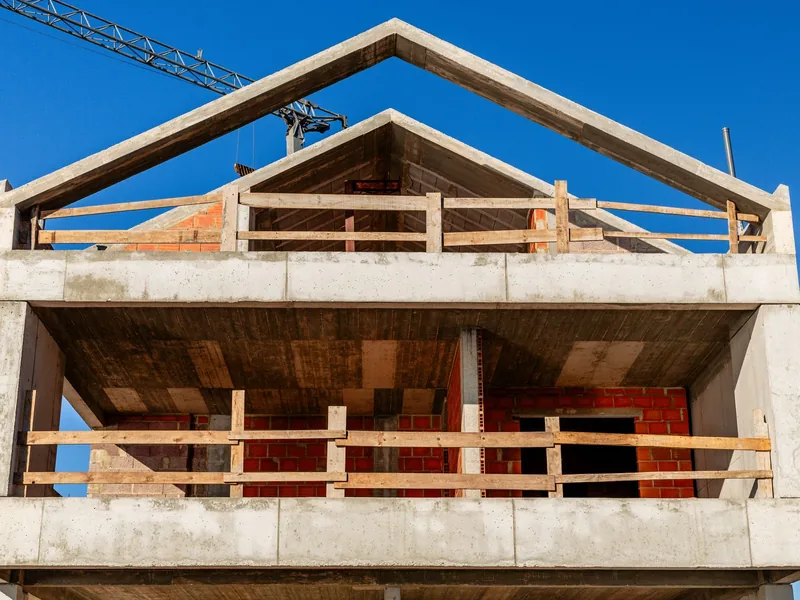
 ICF house cost per m²Full Irish m² breakdown: wall area, shell-and-core, turnkey, 13.5% VAT and extras.
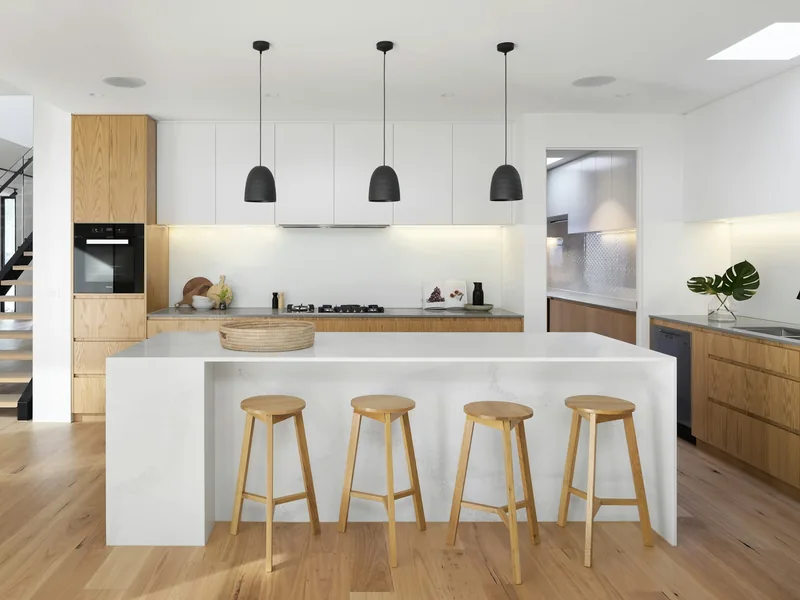
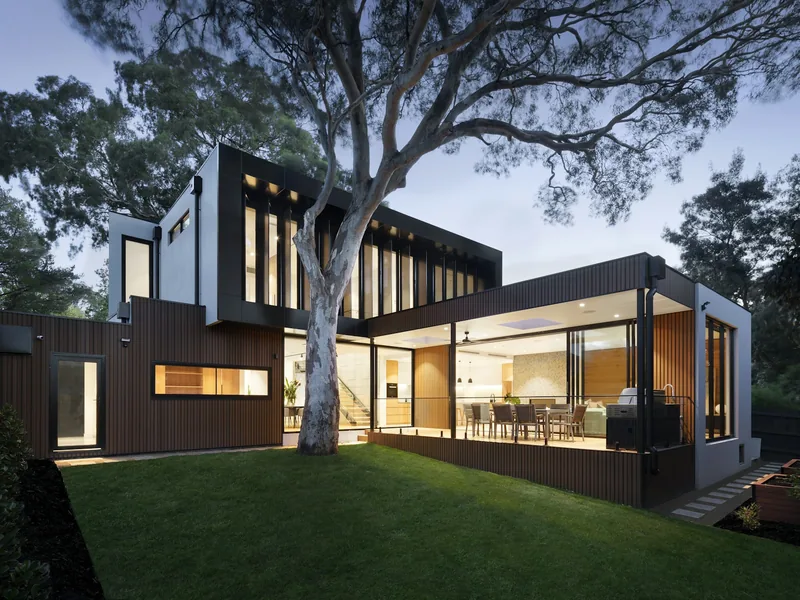 Passive & A1 rural ICF houses0.11 W/m²K graphite EPS walls, sub-0.6 ACH50 airtightness and MVHR.
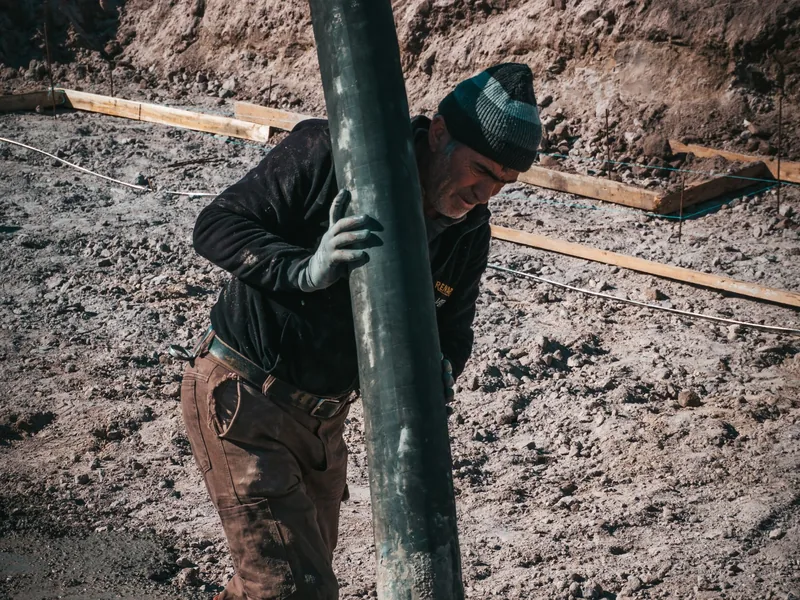 How ICF building worksInterlocking EPS/Neopor blocks, steel rebar, alignment props and boom pours.
 Render, plaster & servicesSilicone ETICS exterior render, service chasing vs battens and window cills.
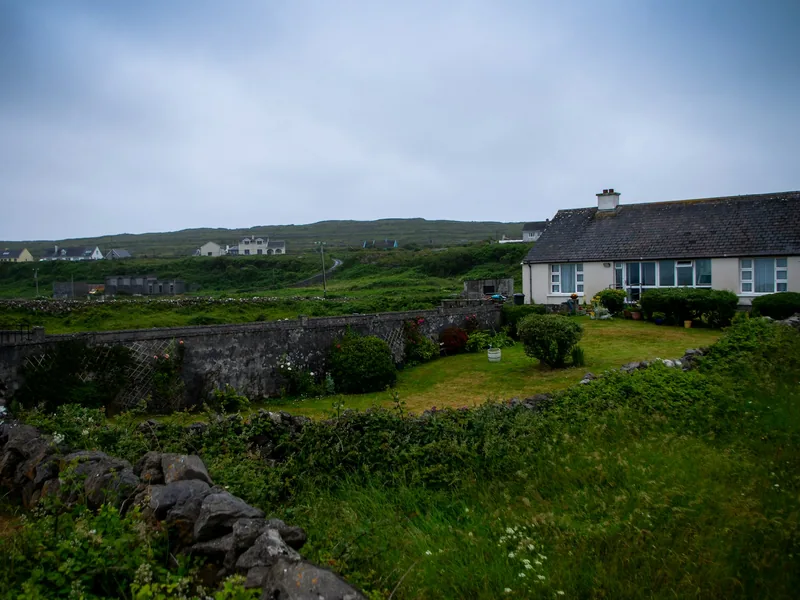 Single-storey ICF bungalows140 to 220 m² rural bungalows: raft footprint, single pour lift and A1/A2 costs.
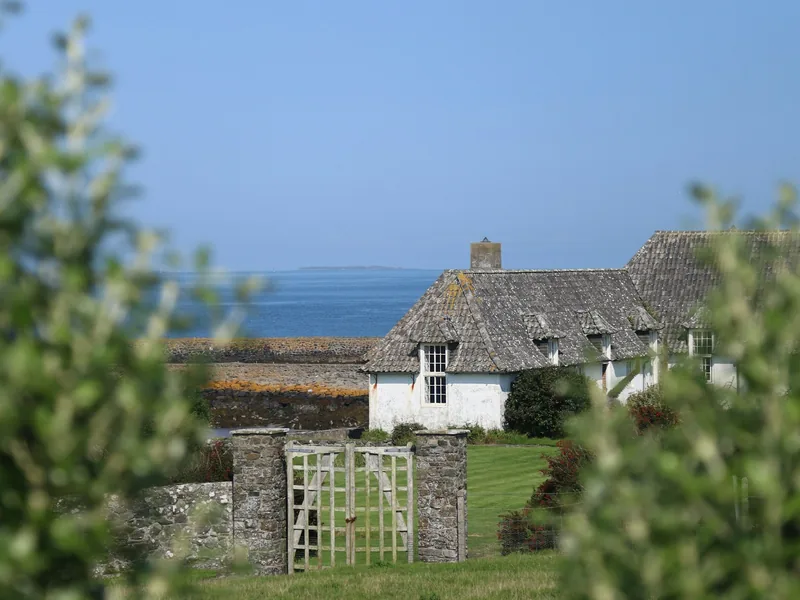 Coastal & ICF extensionsMonolithic storm resistance for Atlantic plots and warm ICF house additions.
Common questions before you pour
Which wall system costs least for a self-build in Ireland?
None is dramatically cheaper once built to true A1/A2 Part L compliance. Timber frame and cavity block can shade ICF slightly on raw wall price, while ICF saves on winter schedule delays, airtightness membranes and external wrap insulation.
Does ICF feel solid inside like a block house?
Yes. Behind the internal plasterboard sits a continuous 150 mm reinforced concrete core, giving solid acoustic quietness and zero hollow drum feel when paired with hollowcore first floors.
Can I change a window opening on site with ICF?
Before concrete is poured, resizing a window buck takes minutes with a hand saw. Once the C30/37 concrete cures, cutting a new opening requires diamond concrete sawing, so lock glazing plans before pour day.
Which system keeps warmth steadier during Irish cold snaps?
Both ICF and insulated cavity block provide substantial internal thermal mass, though ICF places thick EPS inside and outside the core, giving rapid warm-up response alongside steady temperature stability.
All ICF home pages and technical references
ICF house types
Costs, pours & certification
See your ICF self-build cost before anyone rings
Choose the house layout, approximate floor area and shell or turnkey scope. When you want a builder's figure, your outline goes to a single ICF home builder in your county.